


Understanding the relationship between science, technology, and society helps us navigate today’s rapidly changing world. Science uses methods to gain knowledge, while technology applies that knowledge in everyday life. This explains what is science technology and society: connected forces that shape our world.
Society includes cultural, social, economic, and political contexts that influence science and technology. The science technology and society definition describes this two-way relationship: scientific discoveries create technologies that transform daily experiences and institutions. Public values, laws, and market forces help decide which innovations gain traction and support.
In the United States, the internet, medical research, and renewable energy show this relationship in action. These examples affect daily experiences and institutions, so balanced discussions must weigh benefits, risks, and ethics. Studying modern society and technology helps us understand innovation’s future and its effects on society.
Key Takeaways
- Examining science, technology, and society together reveals their interdependent nature.
- Scientific discoveries can lead to innovative technologies that change daily life.
- Public priorities and laws significantly influence which technologies are developed.
- Examples like the internet and medical research showcase these relationships in action.
- A balanced discussion on innovation must consider benefits, risks, and ethics.
1. What Is Science, Technology and Society? Defining the Core Concepts
Science, technology, and society shape our daily lives and influence one another. Science technology and society studies examine these connected ideas. Understanding the definition of science, definition of technology, and definition of society helps explain their influence.
1.1. Defining Science as a Systematic Pursuit of Knowledge
The definition of science is a systematic pursuit of knowledge. It includes several key features:
- Observation: Scientists begin by observing phenomena and gathering data.
- Hypothesis Formation: Based on observations, scientists propose hypotheses to explain their findings.
- Experimentation: Experiments are conducted to test these hypotheses under controlled conditions.
- Evidence: The results of experiments provide evidence that supports or refutes the hypotheses.
- Peer Review: Findings are shared with the scientific community for validation and critique.
- Revision: Scientific knowledge is continuously revised based on new evidence and insights.
1.2. Defining Technology as Applied Knowledge and Tools
The definition of technology involves applying scientific knowledge through tools and systems. It includes:
- Physical Tools: Instruments and devices used to perform tasks.
- Software: Programs that facilitate processes and enhance functionality.
- Processes: Methods employed to achieve specific outcomes.
- Infrastructure: The foundational systems that support technology use.
- Organizational Methods: Strategies that govern the use and distribution of technology.
Technology is neither automatically helpful nor harmful. Its effects depend on how people design, distribute, govern, and use it.
1.3. Defining Society as the Human Framework of Interaction
The definition of society is the human framework of interaction. It includes:
- Communities: Groups of individuals who share common interests or goals.
- Institutions: Established organizations that govern social interactions.
- Cultural Norms: Shared beliefs and values that shape behavior.
- Markets: Economic systems where goods and services are exchanged.
- Governments: Political structures that regulate society.
- Social Relationships: Connections between individuals that form the fabric of society.
Science, technology, and society form an interconnected system. The science and technology relationship shows how knowledge, innovation, and human priorities shape our modern world.
Related Posts:
- Is Zebra Technologies a Good Place to Work? Culture,…

- How Science Technology and Society Are Related The…

- How to Quit Technology Addiction: Simple Steps to…

- The Top 10 Emerging Technologies to Watch in 2024

- Is Technology Good or Bad? Key Arguments for an…

- How Can We Prevent Technology Addiction? Practical…

| Concept | Definition | Key Features |
|---|---|---|
| Science | A systematic pursuit of knowledge through observation and experimentation. | Observation, Hypothesis, Experimentation, Evidence, Peer Review, Revision |
| Technology | Applied knowledge through tools and systems to solve problems. | Physical Tools, Software, Processes, Infrastructure, Organizational Methods |
| Society | The human framework of interaction among individuals and groups. | Communities, Institutions, Cultural Norms, Markets, Governments, Social Relationships |
2. The Historical Evolution of Science, Technology, and Society in the United States
The history of science and technology in the United States reflects major historical events. These fields developed together, changed American life, and addressed social challenges.
2.1. The Industrial Revolution and Early American Innovation
The Industrial Revolution in the United States marked a major turning point, with mechanized manufacturing transforming industries and daily life. It became a major part of American innovation history. Key innovations included:
- Railroads, which revolutionized transportation and commerce.
- Electricity, enhancing productivity and improving living standards.
- Telecommunications, connecting people and businesses like never before.
Rapid growth also raised concerns about working conditions, environmental effects, and economic inequality. Growing cities made urban life more complex and showed the need for regulatory frameworks.
2.2. The 20th Century: From the Space Race to the Digital Age
The 20th century brought major advances through federal investment in research and development. The Space Race technology showed this progress as the U.S. competed to explore beyond Earth. Notable achievements included:
- Aviation breakthroughs that transformed transportation.
- Nuclear science, which reshaped energy and military strategies.
- The rise of computers and the internet, laying the groundwork for the digital age innovation.
These inventions were more than technical feats. They changed education, employment, and daily interactions.
2.3. The 21st Century: The Rise of AI, Biotechnology, and Renewable Energy
In the 21st century, America leads in AI, biotechnology, and renewable energy. These fields may help solve urgent global challenges. Key developments include:
- Artificial intelligence, transforming industries and enhancing productivity.
- Biotechnology, improving healthcare and food production.
- Renewable energy sources, aiming to combat climate change.
Important issues remain, including effective regulation, privacy concerns, and public trust in technology.
3. How Science Drives Technological Innovation
Science and technology form a foundation for modern innovation. Scientific research and innovation create advances that shape our world. Without careful inquiry, many technologies today would not exist.
At the heart of this innovation process is fundamental research. It expands knowledge of nature without an immediate commercial use. Physics, chemistry, biology, mathematics, and materials science all play important roles.
For example, basic physics research helped create semiconductors, which modern computers need. Experts often state, “Without basic research, there can be no applied research.”
Its practical value may not appear at first, but its long-term benefits are clear. These insights create a knowledge base for research and development. As scientists uncover phenomena, they open paths to innovations that can transform industries and improve lives.
Fundamental Research as the Foundation of New Technologies
Examples of fundamental research appear across many scientific fields. Breakthroughs in materials science created lighter, stronger materials for aerospace engineering. Advances in biology have led to healthcare innovations, including new treatments and therapies.
This research often requires collaboration across disciplines. Universities, government laboratories, and private companies work together to expand knowledge. Their effort helps create an environment where scientific inquiry can thrive.
Translational Science and Real-World Applications
After scientists make discoveries, the next step is translational science. This process moves findings from the laboratory into real-world applications. It includes prototyping, clinical testing, engineering refinement, and commercialization.
Biomedical research has produced life-saving drugs and medical devices. Moving from a laboratory discovery to a market-ready product involves startups, established companies, investors, and regulatory agencies. Each stakeholder helps innovations reach the public safely and effectively.
As highlighted in various studies, “Innovation is rarely linear; it often depends on collaboration, funding, testing, and public accountability.” This statement shows the complexity of the technology innovation process. It shows that technology development needs more than breakthroughs; it also requires turning them into practical solutions for society.
4. How Technology Transforms American Society
Technology is vital to daily life in America. It shapes communication, information access, and healthcare across American society. It creates opportunities but also brings challenges.
Communication, Media, and Information Access
The rise of digital communication has changed how Americans connect. Smartphones, social media platforms, and broadband internet help people share information and stay in touch. Yet greater access can bring misinformation and digital distraction.
Streaming services and search engines have changed how people consume media. They put much information at our fingertips but may cause polarization and echo chambers. Users must critically evaluate their sources to navigate this complex landscape.
Healthcare Delivery and Quality of Life
Healthcare technology has improved patient care in the United States. Electronic health records and telehealth services improve communication between patients and providers. These tools support personalized care, timely interventions, and a better quality of life.
Despite these benefits, access and affordability challenges remain, especially for underserved communities. Healthcare providers must protect data and preserve clinician judgment as technology’s role grows. This protects the integrity of healthcare delivery.
Education, Employment, and Workforce Development
Technology in education is changing how students learn and gain skills. Online learning platforms and digital credentials allow more flexible, accessible education. This shift prepares students for the future of work, where adaptability and continuous learning matter.
Automation and artificial intelligence pose challenges for the workforce. Job displacement is a real concern as machines take over tasks once performed by humans. Addressing these issues requires workforce development and lifelong learning, so all individuals can thrive in an evolving job market.
5. The Role of Society in Shaping Science and Technology
Society helps shape the direction of science and technology. Communities, markets, and public institutions decide which fields receive attention and funding. These choices show why society shaping technology matters for technology policy and research priorities.
Public Funding, Tax Policy, and Investment Priorities
Public funding for research drives innovation. Federal and state funding, research grants, and tax incentives send resources to selected fields. They can advance health, energy, and defense, but they also raise questions about opportunity costs and accountability.
Investment priorities can create a ripple effect in technology development. For instance, renewable energy funding may produce sustainability breakthroughs. Space exploration funding can also advance many technologies and show how society shapes technology.
Cultural Values, Public Opinion, and Consumer Demand
Cultural values and public opinion on science guide technological development. Public trust, ethical beliefs, and environmental concerns affect how people view and adopt technology. For example, demand for electric vehicles shows growing consumer support for sustainable options.
Public opposition or ethical objections can slow or redirect technological advances. Concerns about privacy, affordability, and new technologies’ social impact can spark debates about policy and innovation. This interplay shows how consumer demand and innovation can shape technology.
| Influence Factor | Description | Example |
|---|---|---|
| Public Funding | Government investment in research and development | NIH funding for health research |
| Cultural Values | Societal beliefs affecting technology acceptance | Environmental concerns driving renewable energy adoption |
| Consumer Demand | Market needs shaping product development | Increased demand for privacy-protective products |
6. Key Intersections Between Science, Technology, and Society
Science, technology, and society connect in ways that shape daily life. Understanding these science technology society intersections helps address urgent national priorities in climate change, public health, and national security.
Climate Change and Environmental Sustainability
Climate change is one of today’s greatest challenges. Addressing it requires innovative climate technology that supports environmental sustainability. Key strategies include:
- Climate Modeling: Predicting future climate scenarios helps policymakers make informed decisions.
- Renewable Energy: Solar, wind, and hydroelectric power are essential for reducing carbon emissions.
- Energy Storage: Advanced battery technologies enable efficient energy use and distribution.
- Electric Transportation: Transitioning to electric vehicles can significantly lower greenhouse gas emissions.
- Resilient Infrastructure: Building infrastructure that withstands climate impacts is vital for community safety.
- Environmental Monitoring: Technologies that track environmental changes support proactive responses.
Technology must work with effective policy, financing, and behavior changes. Fair implementation ensures that all communities benefit from these advances.
Public Health and Pandemic Preparedness
The COVID-19 pandemic showed how science and technology support public health. Effective pandemic preparedness relies on:
- Epidemiology: Understanding disease patterns is crucial for controlling outbreaks.
- Vaccines: Rapid vaccine development showcases the power of scientific research.
- Diagnostics: Innovative testing methods help identify and manage health threats.
- Genomic Surveillance: Monitoring virus mutations aids in vaccine efficacy.
- Public Communication: Clear messaging is essential for public compliance and trust.
- Supply Chains: Efficient logistics ensure that medical supplies reach those in need.
Preparedness requires scientific skills, strong institutions, and public cooperation. An informed society can respond better to health crises.
National Security and Defense Innovation
Science and technology support defense innovation and national security. Key areas of focus include:
- Cybersecurity: Protecting sensitive information from cyber threats is a top priority.
- Satellites: Advanced satellite technology enhances communication and surveillance.
- Advanced Communications: Secure communication channels are essential for military operations.
- Autonomous Systems: Drones and robotics are transforming defense strategies.
- Artificial Intelligence: AI applications can enhance decision-making processes.
- Dual-Use Technologies: Innovations that serve both civilian and military purposes require careful oversight.
Innovation helps protect the nation, but it must respect transparency, oversight, and civil liberties. Responsible international conduct should guide defense innovations.
| Area | Key Focus | Technological Solutions |
|---|---|---|
| Climate Change | Environmental Sustainability | Renewable Energy, Energy Storage |
| Public Health | Pandemic Preparedness | Vaccines, Diagnostics |
| National Security | Defense Innovation | Cybersecurity, AI |
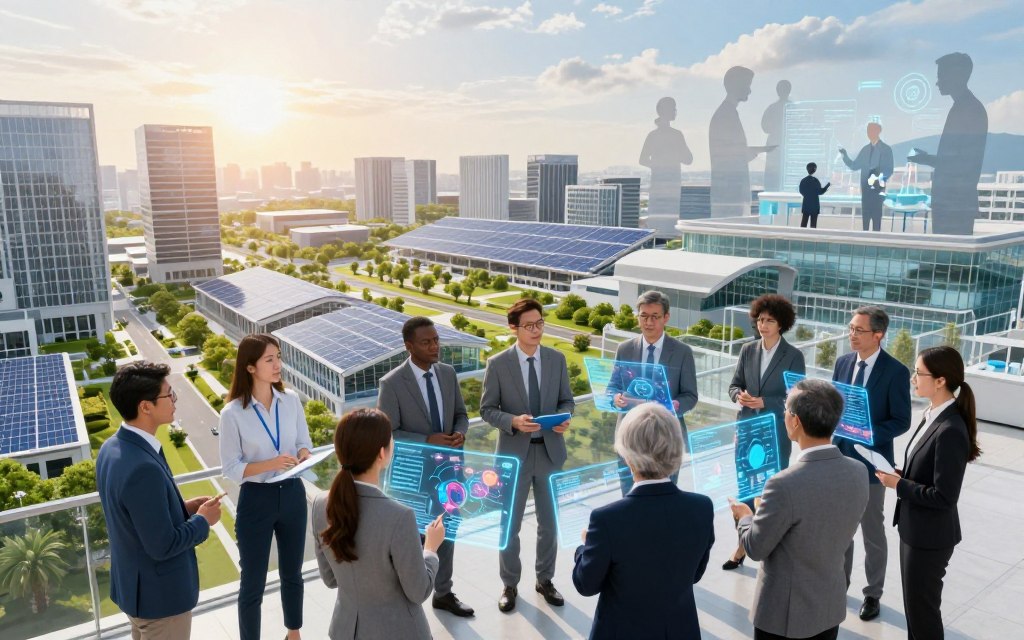
Science, technology, and society intersections help address climate change, improve public health, and protect national security. Collaboration across these areas can build a future that is more resilient and fair.
7. Ethical Considerations in Science and Technology
Rapid advances in science and technology make ethical choices essential for responsible innovation. Technology ethics helps us address complex challenges that affect our lives and society.
Ethics should guide new technologies from design through implementation. These choices can build trust and help ensure that progress benefits everyone.
Privacy and Data Protection in the Digital Age
As technology evolves, so does the challenge of data privacy. Personal data collection, location tracking, and facial recognition raise serious ethical questions. People must ask how much information to share and who may access it.
Targeted advertising and data brokers add further challenges. People often struggle to control information after sharing it. Cybersecurity and informed consent are vital for protecting personal data.
Biotechnology, Genetic Engineering, and Bioethics
Biotechnology creates serious ethical dilemmas. Gene editing and genetic testing raise questions about biotechnology ethics. The line between treating disease and enhancing human traits can blur, raising debates about equity and access.
Genetic engineering ethics also examines the treatment of animals in research. Reproductive technologies require careful ethical review. Society must address these issues to use scientific advances responsibly.
Artificial Intelligence and Algorithmic Bias
Artificial intelligence (AI) raises major ethical concerns. AI algorithmic bias may come from incomplete data and past discrimination, causing unfair outcomes. Without careful monitoring, algorithms can repeat existing inequalities.
Impact assessments, independent audits, and human oversight can improve accountability. Transparent AI models and better access can reduce risks from algorithmic bias. These measures help people understand and challenge harmful decisions.
“Ethics in technology is not just about compliance; it’s about creating a future that respects human dignity and rights.”
Embedding technology ethics in science and technology can support a more equitable, just society. For further insights on how science, technology, and society interconnect, explore this detailed article.
8. The U.S. Education System and STEM Development
The U.S. education system shapes the future of science, technology, engineering, and mathematics (STEM). STEM education in the United States builds skills for innovation and prepares students for today’s workforce. This section examines K-12 initiatives and higher education’s role in STEM development.
K-12 STEM Initiatives and Curriculum Reform
K-12 STEM programs engage students early and build skills for a technology-driven world. These programs teach science and mathematics, plus engineering design, coding, and robotics. Project-based instruction and laboratory learning offer hands-on experiences that make lessons engaging and useful.
Media literacy matters more in today’s digital age. It helps students assess information and become informed citizens. Opportunities for students from historically underserved communities remain a priority, so all students can access quality STEM education.
Teacher preparation and ongoing professional development support effective STEM instruction. STEM curriculum reform should reflect scientific advances and technology trends. Accessible equipment and links between classroom lessons and real-world problems improve learning.
Higher Education, Research Universities, and Federal Grants
Higher education institutions include research universities, community colleges, and technical schools. They advance STEM fields and offer programs that prepare students for science and technology careers. Internships and industry partnerships provide experience and connect students with potential employers.
Federal research grants support STEM discovery, graduate education, better facilities, and researcher collaboration. Rising tuition costs and workforce diversity remain critical issues. Ethical and civic preparation helps students become skilled professionals and conscientious citizens.
9. Government Policies and Federal Agencies Driving Innovation
Federal agencies and policies shape innovation across the U.S. science and technology landscape. They provide funding, set research goals, and build partnerships that guide research. Their work shows how U.S. science policy advances technology and benefits society.
9.1. The National Science Foundation and Federal Research Funding
The National Science Foundation (NSF) is a cornerstone of U.S. science policy. It supports basic research in many fields while strengthening scientific infrastructure and education. Its grants help researchers test new ideas and make major discoveries.
The NSF encourages collaboration among scientists from different fields. This approach advances knowledge and helps solve complex social problems. Through federal research funding, the NSF strengthens American science and global leadership.
9.2. NASA, the National Institutes of Health, and DARPA Contributions
Other key federal agencies include NASA, the National Institutes of Health (NIH), and DARPA. NASA leads space science and NASA technology development. Its missions expand our understanding of the universe and advance aerospace engineering.
The NIH focuses on biomedical research. It seeks to improve public health through disease prevention and clinical knowledge. Its work strengthens healthcare delivery and supports new medical technologies.
DARPA innovation often grows from high-risk, high-reward research. Its innovative projects strengthen national security and spur civilian technology. These efforts can also support broader technological progress.
These agencies show how targeted federal research funding can produce major advances. Innovation must remain balanced with public accountability and national priorities. Long-term reviews help ensure these efforts serve society’s best interests.
10. Challenges Facing Science, Technology, and Society Today
Modern society faces major challenges in science and technology. These barriers can slow progress and keep people from sharing its benefits fairly. Understanding them helps communities create effective solutions.
10.1. Misinformation, Disinformation, and Declining Public Trust
Misinformation and disinformation threaten public trust in science. Misinformation often comes from accidental errors, while disinformation spreads deliberately to mislead people. Social media can amplify both, causing confusion and doubt.
Political incentives and manipulated media make this problem harder. Stronger science communication and media literacy can help fight it. Transparency about evidence and accountability in sharing information can help restore public confidence.
10.2. Inequality in Access to Technology and the Digital Divide
The digital divide in America shows unequal access to technology. Broadband access, device costs, and digital skills all shape this inequality. Rural areas often lack urban resources, creating major gaps in technology use.
Language barriers and limited disability access can further exclude some groups. Solving these problems requires several strategies and fair access to advanced tools, including artificial intelligence.
10.3. Balancing Innovation Speed with Effective Regulation
Technology regulation presents a complex challenge. Policymakers must protect safety, privacy, and civil rights while supporting innovation. Finding this balance is vital for sustainable progress.
Adaptive rules, clear standards, and public participation support effective oversight. Periodic reviews and enforcement capacity help regulations keep pace with rapid technological advances.
| Challenge | Description | Impact on Society |
|---|---|---|
| Misinformation | Accidental and deliberate spread of false information | Undermines public trust in science |
| Digital Divide | Disparities in technology access | Exacerbates inequality in opportunities |
| Regulation | Challenges in effective technology oversight | Hinders innovation and safety |
11. The Future of Science, Technology, and Society in America
The future of science and technology will shape our shared progress. Emerging technologies may transform daily life, but they also bring challenges and uncertainty. Understanding these changes will help us navigate what comes next.
Emerging Technologies on the Horizon
Several key fields are advancing quickly and may reshape our world. These emerging technologies include:
| Technology | Potential Benefits | Challenges |
|---|---|---|
| Generative AI | Enhanced creativity and productivity | Ethical concerns and job displacement |
| Quantum Computing | Revolutionary problem-solving capabilities | High costs and technical barriers |
| Clean Energy Innovations | Reduction in carbon footprint | Infrastructure and investment needs |
| Advanced Robotics | Increased efficiency in various sectors | Job market disruptions |
| Biotechnology | Medical advancements and sustainability | Ethical dilemmas and regulation |
These technologies could bring major benefits, including better healthcare, climate action, and clean energy innovation. However, they raise concerns about safety, concentrated power, environmental effects, and society’s future. As we adopt them, we must consider their effects on society and the global landscape.
Preparing the Next Generation of Innovators and Citizens
To thrive in this changing world, education and technology workforce development must evolve. Future citizens need more than technical skills; they must also possess:
- Critical thinking and civic reasoning
- Technical literacy and creativity
- Effective communication and collaboration
- Ethical understanding and responsible technology use
Preparing the next generation means supporting teamwork across fields and encouraging fair, inclusive innovation. Schools must help students evaluate evidence, understand risks, and join democratic decision-making.
Our shared choices and values will shape the future of science and technology. The future of AI will also depend on these choices and values. By supporting inclusive innovation and long-term public stewardship, we can build a society that benefits everyone.
12. Conclusion
This science technology and society conclusion explains their vital relationship in our modern world. Science creates knowledge that drives technological advances. Technology applies this knowledge through various tools and systems.
Society helps set priorities, rules, and acceptable uses for these innovations. This connection shapes healthcare, education, communication, climate policy, and national security. Understanding the importance of science and technology shows how they shape the future of American society.
Responsible innovation must value safety, fairness, sustainability, privacy, and public benefit—not only speed or commercial value. Looking ahead, the future will depend on collaboration among scientists, engineers, policymakers, educators, businesses, and informed citizens. Together, they can guide technological change responsibly and ensure advancements serve the greater good.
The journey forward is filled with potential, so we must navigate it thoughtfully.